Hair Growth Oil: Strengthening Hair Follicles and Reducing Hair Fall
Healthy, lustrous hair is often seen as a symbol of vitality and beauty. However, with factors such as pollution, stress, hormonal changes, nutritional deficiencies, and harsh styling routines, many people experience hair fall and thinning, which can affect confidence and self-esteem. One of the most popular and effective solutions to combat these issues is the use of hair growth oils.
Hair growth oils not only nourish the scalp and hair but also strengthen hair follicles and reduce hair fall. This article explores how hair growth oils work, their benefits, key ingredients, application methods, and tips for achieving optimal results.
Understanding Hair Fall and Hair Follicles
What Causes Hair Fall?
Hair fall can be caused by a variety of factors including:
-
Genetics: Androgenetic alopecia or pattern baldness.
-
Stress: Physical or emotional stress can trigger hair shedding.
-
Hormonal Changes: Pregnancy, menopause, thyroid imbalances.
-
Nutritional Deficiencies: Lack of iron, protein, vitamins.
-
Environmental Damage: Pollution, UV rays, harsh chemicals.
-
Medical Conditions: Scalp infections, autoimmune diseases.
-
Improper Hair Care: Excessive heat styling, chemical treatments.
Role of Hair Follicles
Hair follicles are tiny structures beneath the scalp from which hairs grow. Each follicle has a complex biology and is responsible for the production, growth, and health of hair strands. When follicles weaken or become damaged due to inflammation, clogging, or poor nutrition, hair growth slows down or stops, leading to hair fall and thinning.
How Hair Growth Oils Help
Hair growth oils work by targeting the scalp and hair follicles directly to nourish, strengthen, and stimulate healthy hair growth. Here’s how they help:
1. Strengthening Hair Follicles
Oils penetrate the scalp and supply essential nutrients such as vitamins, fatty acids, and antioxidants to hair follicles. This nourishes the follicle cells, improves blood circulation in the scalp, and promotes a healthy environment for hair growth.
2. Reducing Hair Fall
By improving follicle strength and reducing scalp inflammation, oils reduce excessive hair fall. Some oils also contain natural compounds that regulate hormone levels or fight fungal infections responsible for hair loss.
3. Stimulating Hair Growth
Certain oils contain active ingredients that stimulate the follicles to enter the anagen (growth) phase of the hair cycle, encouraging thicker, longer hair.
4. Improving Scalp Health
Healthy hair begins with a healthy scalp. Oils help maintain scalp moisture, reduce dryness and dandruff, and balance sebum production, all of which create an ideal environment for hair growth.
5. Protecting Hair from Damage
Oils coat the hair shaft, reducing friction and preventing breakage. They also protect hair from UV damage, pollution, and heat styling.
Key Ingredients in Hair Growth Oils and Their Benefits
Effective hair growth oils usually contain a blend of natural oils and botanical extracts. Here’s a list of some powerful ingredients commonly found in hair growth oils:
1. Castor Oil
Rich in ricinoleic acid, castor oil improves blood circulation to the scalp, strengthens hair follicles, and has anti-inflammatory and antifungal properties. It helps reduce dandruff and promotes thick, healthy hair.
2. Coconut Oil
A favorite for hair care, coconut oil deeply penetrates hair shafts, reducing protein loss and breakage. It contains lauric acid which nourishes the scalp and has antimicrobial properties.
3. Argan Oil
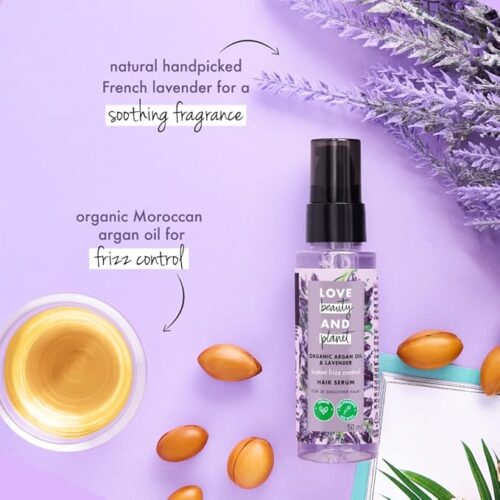
Known as “liquid gold,” argan oil is rich in antioxidants, vitamin E, and essential fatty acids. It hydrates the scalp, reduces inflammation, and strengthens hair follicles.
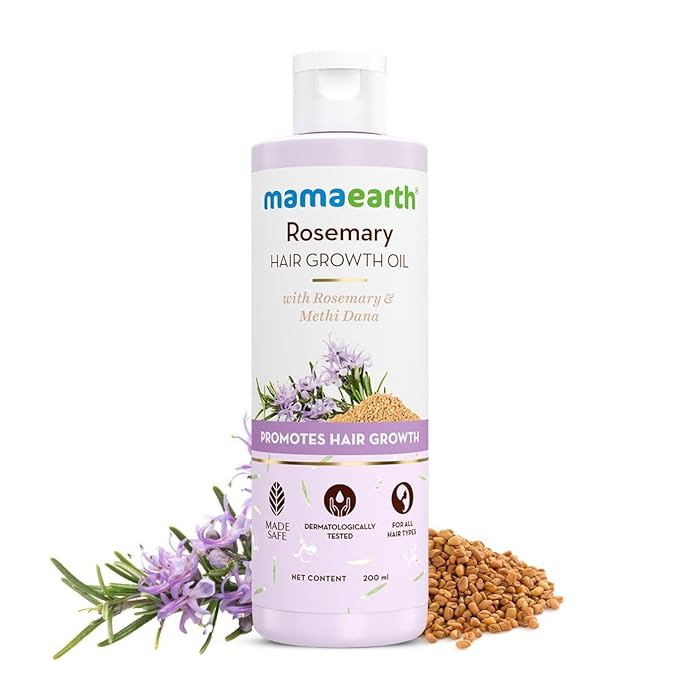
4. Rosemary Oil
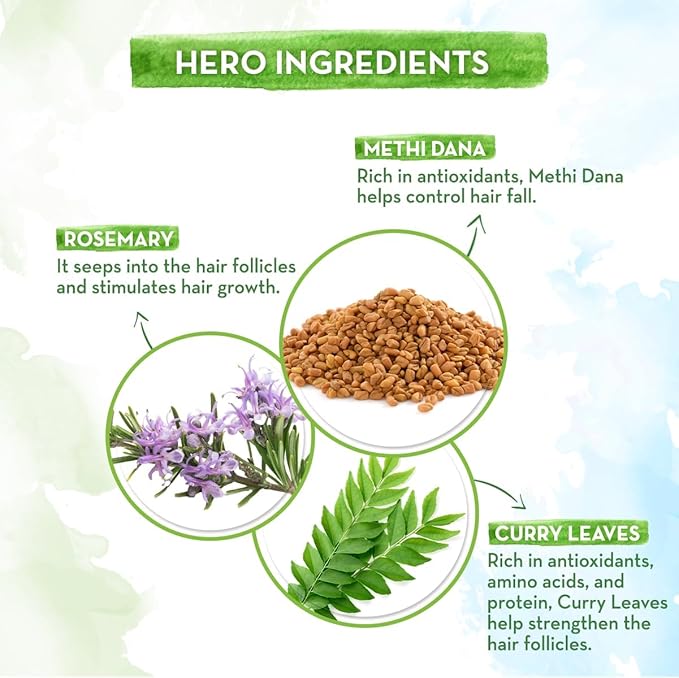
Rosemary oil is known to stimulate blood circulation and has been shown in studies to help increase hair growth. It also fights scalp dryness and dandruff.
5. Peppermint Oil
Peppermint oil provides a cooling sensation and stimulates circulation to the scalp, encouraging hair growth.
6. Jojoba Oil
Mimics the natural sebum of the scalp, moisturizing without clogging pores, improving scalp health and follicle function.
7. Amla Oil
Derived from Indian gooseberry, amla oil is packed with vitamin C and antioxidants that strengthen hair follicles, prevent premature greying, and reduce hair fall.
8. Bhringraj Oil
Traditionally used in Ayurveda, bhringraj oil is believed to rejuvenate hair follicles, stimulate growth, and reduce hair loss.
How to Choose the Right Hair Growth Oil
Choosing the right hair growth oil depends on your hair type, scalp condition, and specific concerns:
-
For Dry Scalp and Hair: Look for nourishing oils like coconut, argan, and castor oil.
-
For Oily Scalp: Lightweight oils like jojoba or grapeseed oil are better as they don’t weigh hair down.
-
For Thinning Hair: Oils with stimulating ingredients like rosemary, peppermint, and bhringraj can promote growth.
-
For Sensitive Scalp: Opt for gentle, soothing oils like aloe vera or chamomile infused oils.
How to Use Hair Growth Oil for Best Results
Proper application of hair growth oil is key to reaping its benefits. Here’s a step-by-step guide:
Step 1: Choose the Right Oil or Blend
Select an oil or combination suited to your hair and scalp needs.
Step 2: Warm the Oil Slightly
Gently warm the oil for better absorption (test temperature to avoid burns).
Step 3: Section Your Hair
Divide your hair into sections for even application.
Step 4: Massage the Scalp
Apply the oil directly to the scalp and massage using your fingertips in circular motions. Massaging increases blood circulation and helps the oil penetrate the follicles.
Step 5: Apply to Hair Length
Don’t forget to apply oil along the hair shaft to reduce dryness and breakage.
Step 6: Leave It On
Leave the oil on your scalp for at least 30 minutes or overnight for deep conditioning.
Step 7: Wash Gently
Use a mild shampoo to wash out the oil without stripping natural oils.
Benefits of Regular Use of Hair Growth Oil
-
Stronger Hair Roots: Regular nourishment strengthens hair from the root.
-
Reduced Hair Fall: A healthy scalp prevents hair shedding.
-
Shiny, Smooth Hair: Oils lock in moisture for shiny hair.
-
Prevention of Dandruff: Oils with antifungal properties keep scalp flakiness at bay.
-
Improved Hair Texture: Consistent use improves softness and manageability.
-
Thicker Hair Growth: Stimulated follicles produce denser hair over time.
Common Myths About Hair Growth Oil
While heavy oils can feel greasy if overused, the right amount and oil type provide moisture without heaviness.
Hair growth is a slow process, and oils support healthy growth but don’t cause instant results.
Synthetic oils don’t nourish follicles like natural oils do, but some blends include effective, safe synthetic compounds.
Precautions and Tips
-
Perform a patch test before using any new oil to avoid allergic reactions.
-
Avoid applying oil to a dirty scalp, as it can clog follicles.
-
Don’t overuse oils; too much can cause buildup and attract dirt.
-
Combine oiling with a balanced diet rich in proteins, vitamins, and minerals.
-
Manage stress and maintain proper hair hygiene for best results.
Conclusion
Hair growth oils are a time-tested, natural approach to strengthening hair follicles, reducing hair fall, and enhancing the overall health and appearance of your hair. By nourishing the scalp and creating a healthy environment for follicles, these oils can help you achieve thicker, stronger, and more vibrant hair.
With the right choice of oils, consistent use, and proper application techniques, hair growth oils can be a powerful addition to your hair care routine — supporting you on your journey to healthier hair.
Hair Growth Oil: Strengthening Hair Follicles and Reducing Hair Fall
Hair fall is a common problem that affects millions of people worldwide. Whether caused by genetics, environmental factors, or lifestyle habits, it can significantly affect a person’s confidence and appearance. Luckily, hair growth oils have been used for centuries as natural remedies to combat hair fall and promote stronger, healthier hair.
Hair growth oils work by nourishing the scalp, strengthening hair follicles, and reducing hair fall. This article will explore the science behind hair fall, how hair growth oils help, the best ingredients to look for, how to use them effectively, and some important tips for maintaining hair health.
Understanding Hair Fall: The Role of Hair Follicles
The Hair Growth Cycle
To understand how hair growth oils work, it’s important to first understand the hair growth cycle:
-
Anagen Phase (Growth Phase): Lasts 2-7 years; the hair actively grows from the follicle.
-
Catagen Phase (Transitional Phase): Lasts 2-3 weeks; hair growth slows and follicles shrink.
-
Telogen Phase (Resting Phase): Lasts 3 months; hair eventually falls out and new growth begins.
A healthy scalp ensures that most follicles remain in the anagen phase for longer, resulting in thicker hair and less hair fall.
What Causes Hair Fall?
Hair fall happens when the hair follicles weaken or the hair growth cycle is disrupted. Common causes include:
-
Genetics: Androgenetic alopecia or male/female pattern baldness.
-
Hormonal Changes: Pregnancy, menopause, thyroid imbalances.
-
Stress: Both physical and emotional stress trigger hair shedding.
-
Nutritional Deficiencies: Lack of iron, zinc, biotin, vitamin D, and protein.
-
Environmental Damage: Pollution, UV radiation, and harsh chemicals.
-
Medical Conditions: Scalp infections, autoimmune diseases.
-
Poor Hair Care Practices: Excessive heat styling, tight hairstyles, harsh shampoos.
When follicles become damaged, inflamed, or clogged with sebum and dead skin cells, hair falls out prematurely, leading to thinning and bald patches.
How Hair Growth Oils Work
Hair growth oils act by targeting the scalp and hair follicles, offering multiple benefits:
1. Strengthening Hair Follicles
Hair growth oils nourish hair follicles with vitamins, antioxidants, and essential fatty acids. This strengthens the follicles, improves blood circulation to the scalp, and creates an optimal environment for hair growth.
2. Reducing Hair Fall
By reducing inflammation and strengthening the follicle structure, oils prevent premature shedding. Some oils also have anti-microbial properties that protect against scalp infections that can cause hair loss.
3. Stimulating Hair Growth
Certain ingredients stimulate hair follicles to enter and stay longer in the anagen phase, promoting thicker and faster hair growth.
4. Moisturizing and Protecting Hair
Oils coat the hair shaft, locking in moisture, preventing breakage, and protecting against external damage like pollution, UV rays, and heat styling.
5. Improving Scalp Health
A healthy scalp free from dryness, dandruff, and excess oil production ensures strong hair growth. Oils help balance the scalp’s natural oils and soothe irritation.
Popular Hair Growth Oil Ingredients and Their Benefits
Hair growth oils often combine multiple oils and extracts to maximize benefits. Below are some of the most effective ingredients:
Castor Oil
Rich in ricinoleic acid, castor oil enhances blood flow to the scalp, reducing inflammation and promoting hair follicle health. It also has antifungal properties to combat dandruff.
Coconut Oil
Contains lauric acid which penetrates the hair shaft to reduce protein loss. It moisturizes the scalp, prevents breakage, and has antimicrobial effects.
Argan Oil
High in vitamin E and antioxidants, argan oil nourishes hair follicles, reduces scalp inflammation, and adds shine and softness.
Rosemary Oil
Stimulates circulation in the scalp and has been shown to reduce hair loss and promote growth in some studies.
Peppermint Oil
Creates a cooling sensation and increases blood flow to the scalp, encouraging follicle stimulation.
Jojoba Oil
Mimics natural scalp oils and moisturizes without clogging pores, balancing oil production.
Amla Oil
Rich in vitamin C and antioxidants, it strengthens hair, prevents premature greying, and reduces hair fall.
Bhringraj Oil
Used in Ayurveda for centuries, it revitalizes follicles and promotes healthy hair growth.
How to Choose the Right Hair Growth Oil for Your Hair Type
Choosing the right oil depends on your hair and scalp needs:
-
Dry Hair/Scalp: Opt for heavier oils like castor, coconut, or argan oil.
-
Oily Scalp: Choose lighter oils like jojoba or grapeseed oil that don’t weigh hair down.
-
Thinning Hair: Look for stimulating oils like rosemary, peppermint, and bhringraj.
-
Sensitive Scalp: Use calming oils like aloe vera, chamomile, or lavender-infused oils.
How to Apply Hair Growth Oil Correctly
Proper application maximizes the effectiveness of hair growth oils:
Step 1: Select the Right Oil
Choose an oil suited for your hair type and concerns.
Step 2: Warm the Oil
Warm the oil slightly (avoid overheating) to increase penetration.
Step 3: Section Your Hair
Divide hair into sections to apply oil evenly.
Step 4: Massage the Scalp
Using fingertips, massage the oil into the scalp in gentle circular motions for 5-10 minutes. Massaging increases blood flow to the follicles.
Step 5: Apply to Hair Lengths
Don’t forget to oil the strands, especially the ends, to prevent dryness and breakage.
Step 6: Leave Oil On
For best results, leave the oil on for at least 30 minutes or overnight.
Step 7: Wash Gently
Use a mild shampoo to cleanse without stripping the scalp of natural oils.
Benefits of Regular Use of Hair Growth Oils
-
Stronger, Thicker Hair: Oils strengthen roots and follicles.
-
Reduced Hair Fall: Improved follicle health reduces shedding.
-
Scalp Health: Oils prevent dandruff, dryness, and infections.
-
Improved Hair Texture: Oils lock in moisture for smooth, soft hair.
-
Adds Shine and Luster: Oils nourish hair shafts to enhance shine.
-
Promotes New Hair Growth: Stimulated follicles produce healthier hair.
Scientific Evidence Supporting Hair Growth Oils
Several studies have validated the effectiveness of certain oils:
-
Rosemary Oil: A 2015 study published in Skinmed compared rosemary oil with minoxidil and found it equally effective in promoting hair growth over six months.
-
Peppermint Oil: A 2014 study on mice demonstrated that peppermint oil induced significant hair growth compared to controls.
-
Castor Oil: Known for antimicrobial and anti-inflammatory properties, castor oil improves scalp health, indirectly supporting hair growth.
Though many oils require consistent long-term use for visible effects, the natural compounds support scalp and follicle health scientifically.
Common Myths About Hair Growth Oils
Myth 1: Oils Make Hair Greasy and Heavy
While excessive oiling can weigh hair down, moderate use nourishes hair without greasiness. Choosing lighter oils can also help.
Myth 2: Hair Growth Oils Work Instantly
Hair growth is a slow process, and oils support gradual improvement over weeks to months.
Myth 3: Only Natural Oils Work
While natural oils are beneficial, some modern formulations also include effective synthetic compounds.
Myth 4: Hair Oils Cause Hair Fall
Hair oils strengthen follicles and reduce hair fall, not cause it, unless allergic or misused.
Tips for Maximizing Hair Growth Oil Benefits
-
Use oils regularly (2-3 times a week).
-
Combine oiling with a balanced diet rich in protein, vitamins, and minerals.
-
Avoid harsh chemicals and heat styling.
-
Manage stress levels.
-
Keep hair and scalp clean.
-
Consider supplements like biotin if recommended by a healthcare professional.
When to Consult a Dermatologist
If hair fall is severe, sudden, or accompanied by scalp irritation, consult a dermatologist. Underlying conditions such as alopecia areata, thyroid disorders, or infections may require medical treatment alongside hair oils.
Conclusion
Hair growth oils are powerful natural allies for anyone struggling with hair fall and thinning. By nourishing hair follicles, improving scalp health, and protecting hair strands, these oils support healthy, strong, and beautiful hair.
Consistent use of the right oil, combined with good hair care habits and a healthy lifestyle, can lead to reduced hair fall and enhanced hair growth over time. Whether you choose castor, coconut, rosemary, or a blend, hair growth oils offer a safe, effective, and time-tested solution to revitalize your hair and boost confidence.